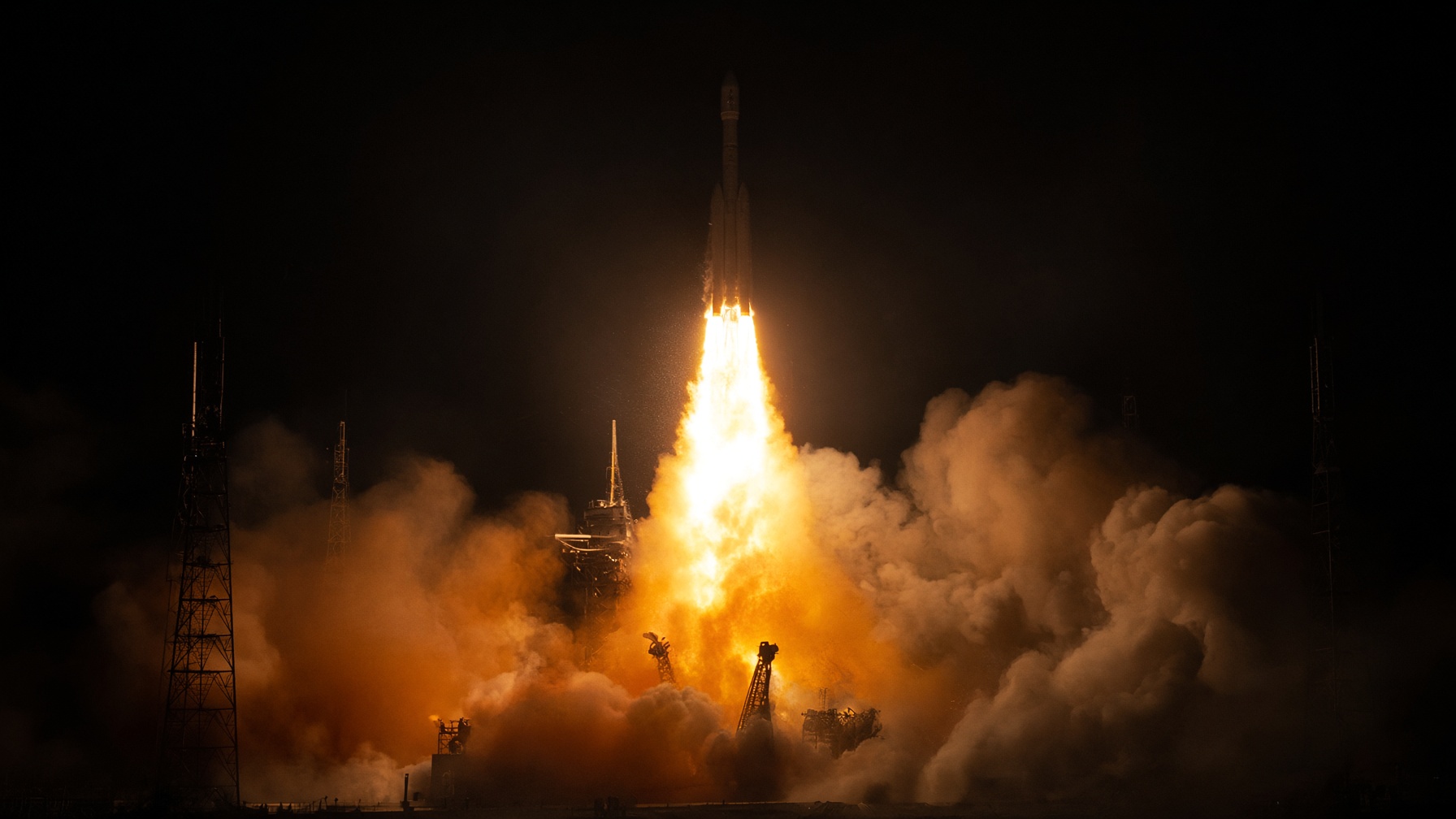
Next Launch
Starlink Group 31-2 (Starship Flight 15)
T−
-- : -- : -- : --
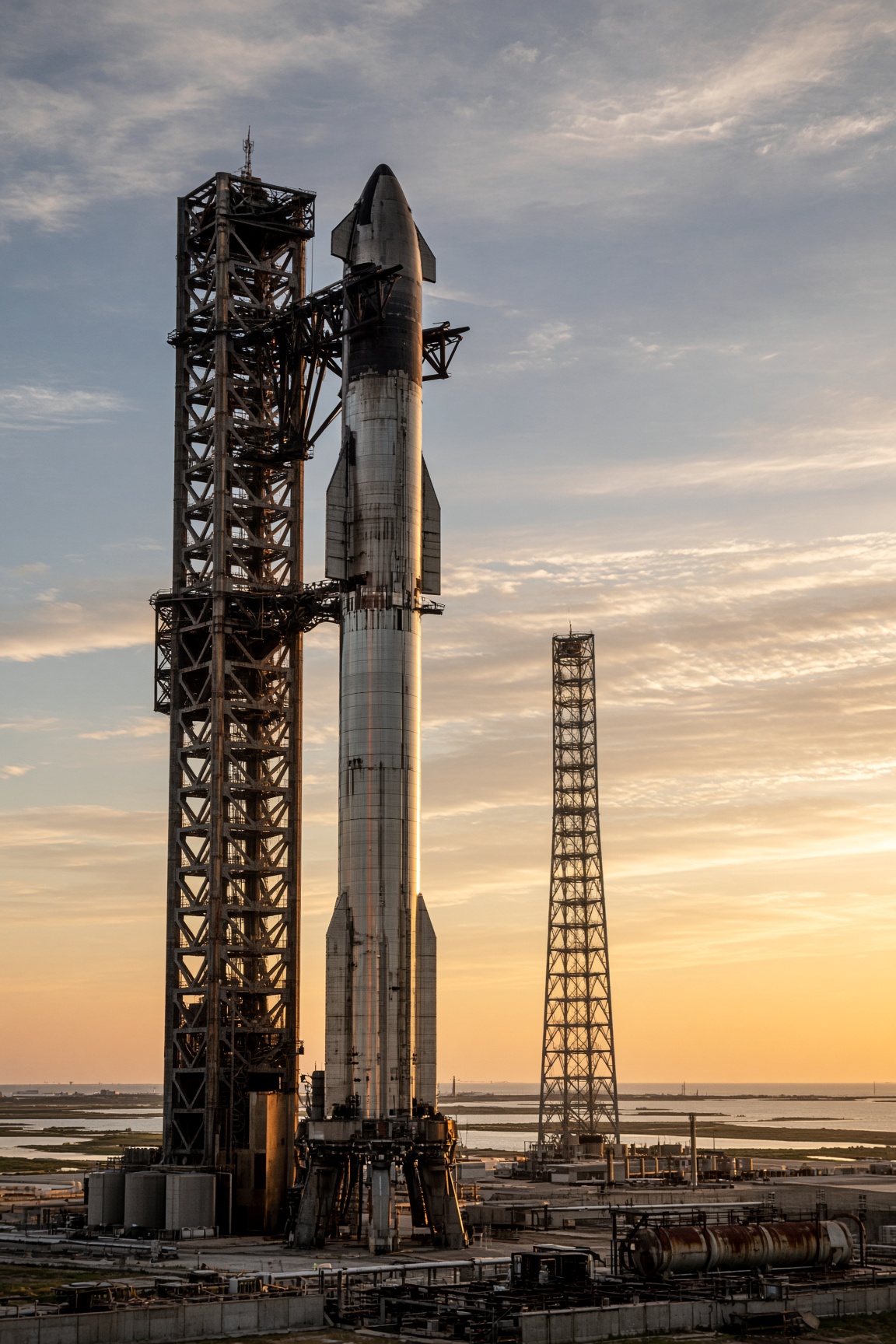
15th test flight of the two-stage Starship launch vehicle and 4th flight of Starship V3. Second Starship flight to deploy satellites (a group of Starlink satellites known as Starlink Group 31-2) into stable Low Earth Orbit and first ever to attempt returning the Starship 2nd stage back to the launch site. The ship is expected to fly at an altitude approximately 275 km above Earth and complete approximately 14 orbits around the planet for more than 22 hours, with the ship expected to attempt returning back to Starbase, Texas on its launch pad by pad arms catching. The booster’s primary test objective on Flight 15 will be executing a successful launch, ascent, stage separation, boostback burn, and landing by pad arms catching. This will also be the 1st Starship V3 booster to attempt returning to its launch site. Starship will deliver 26 Starlink V3 satellites to orbit for the second time, which aim to greatly expand the network's capacity and user speeds. Each Starlink V3 satellite will add 1 Tbps of capacity to the constellation. 3 of the satellites have been modified with a suite of cameras to scan Starship’s heatshield and transmit imagery down to operators.
Window
Fri, Nov 13, 10:45 PM UTC
Pad
Orbital Launch Pad 2
Booster
Booster 22
Orbit
LEO
Weather
—
Go %
—
01
Upcoming
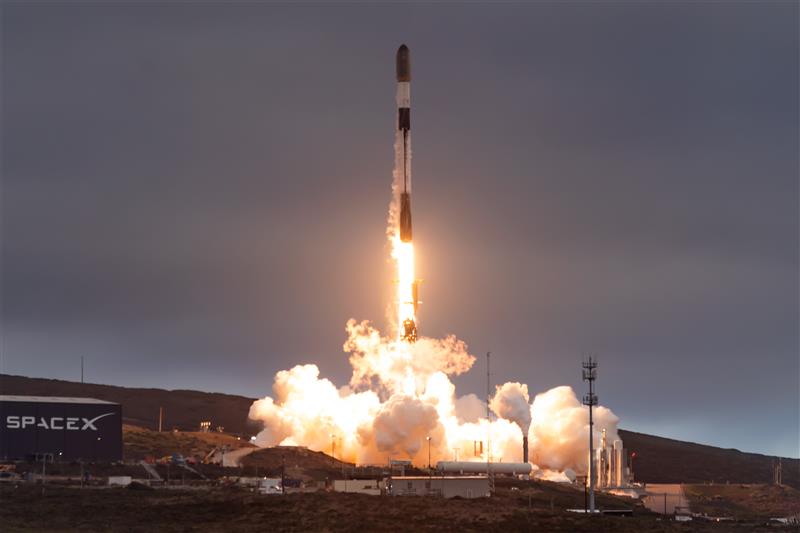
USSF-317
Wed, Nov 18, 03:14 AM UTC · Space Launch Complex 4E
Booster B1100 · F10
USSF-266
Wed, Nov 18, 04:49 PM UTC · Space Launch Complex 4E
Booster B1081 · F28
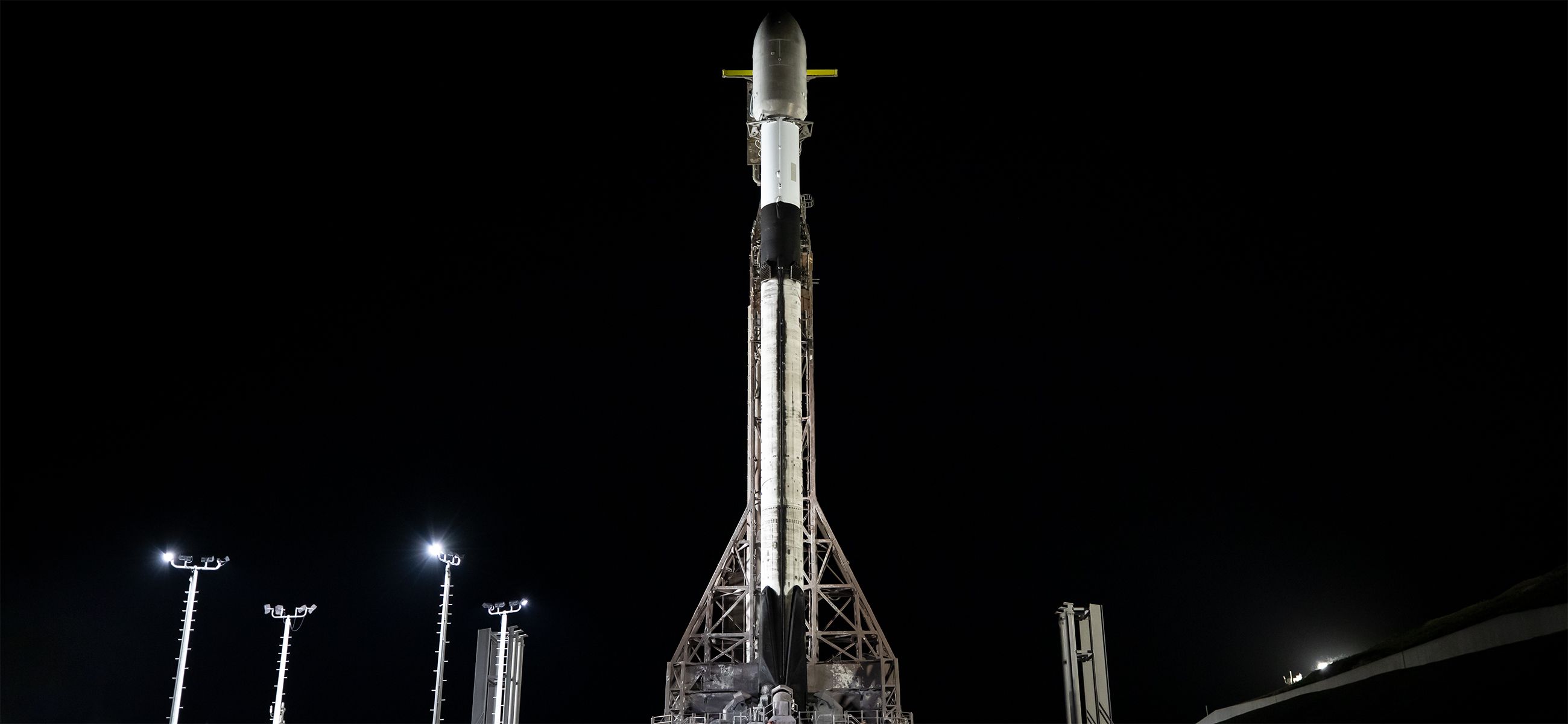
NROL-136
Sat, Nov 21, 12:30 PM UTC · Space Launch Complex 4E
Booster B1097 · F13
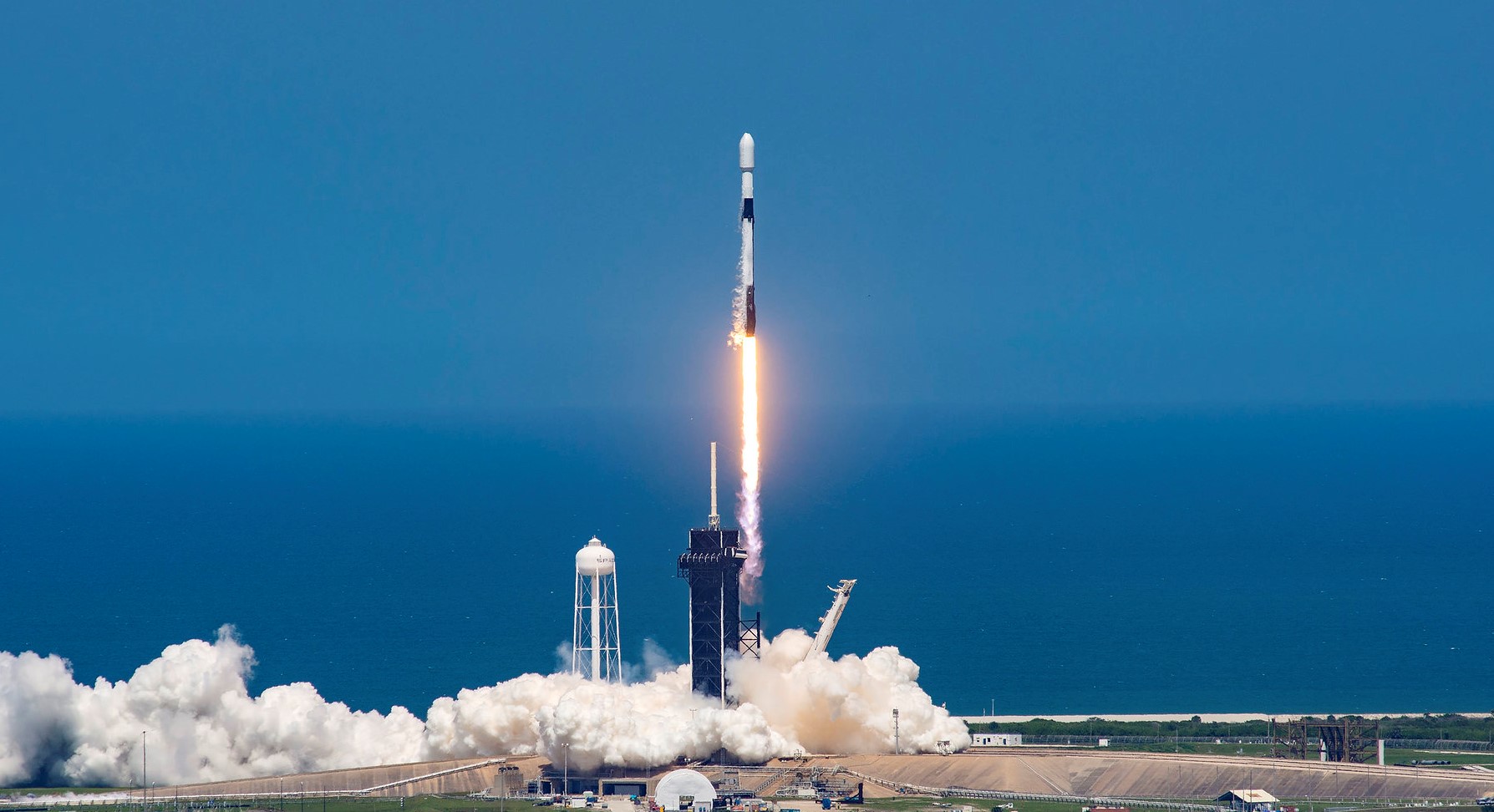
Cygnus CRS-2 NG-25
Sun, Nov 29, 03:49 PM UTC · Space Launch Complex 40
Booster Unknown F9
03
Desk brief

NASASpaceflight · 6 hours ago · Starship
Starship Flight 15 to attempt first catch of both stages
After 14 full-stack flights, SpaceX is set to attempt something no one in spaceflight history… The post Starship Flight 15 to attempt first catch of both stages appeared first on NASASpaceFlight.com.

NASASpaceflight · 3 days ago · Starship
Launch Preview: Starship, Vulcan, and Electron launches scheduled for busy week
Seven rockets from four countries are set to launch this week. Starship is set to… The post Launch Preview: Starship, Vulcan, and Electron launches scheduled for busy week appeared first on NASASpaceFlight.com.
Arstechnica · 4 days ago · Fleet
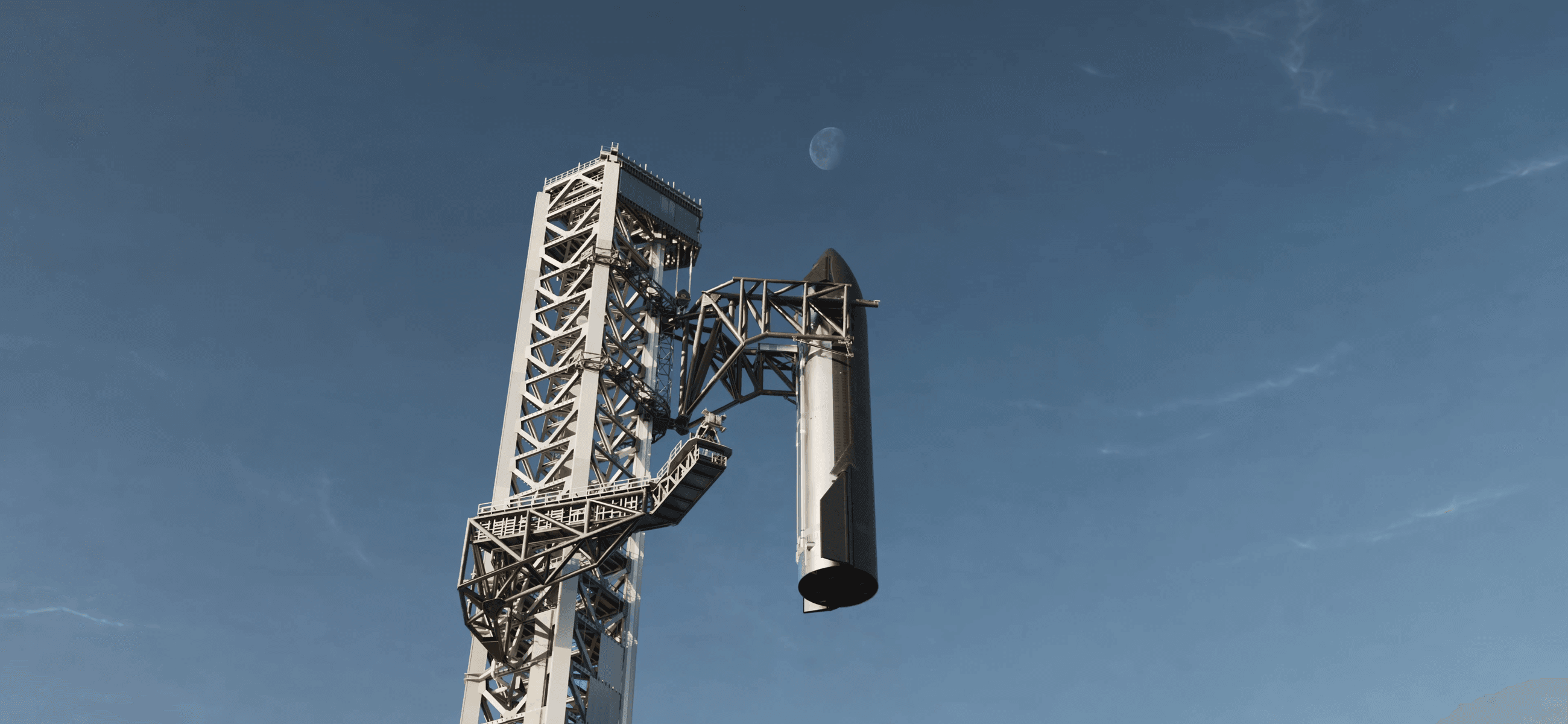
SpaceX now fundamentally an "infrastructure company," senior official says
"Grok analyzing the same video is 99.9 percent perfect."

Spaceflight Now · 6 days ago · Falcon
Falcon 9 to launch from California on classified mission for U.S. Space Force
Liftoff from pad 4E at Vandenberg Space Force Base is scheduled for 4:48 p.m. PST (7:48 p.m. EST / 0048 UTC). The mission is thought to be carrying satellites based on SpaceX’s Starshield platform.

NASASpaceflight · 7 days ago · Starship
Starship Flight 15, a dual catch attempt, awaits FAA green light
Booster 22 and Ship 42 are in final checkouts for a no-earlier-than 13 November launch… The post Starship Flight 15, a dual catch attempt, awaits FAA green light appeared first on NASASpaceFlight.com.
05
First principles
Physics first
Start with mass, energy, and the rocket equation. Heritage is a suggestion, not a constraint.
The best part is no part
Delete before you optimize. A deleted part cannot fail, cannot delay, cannot cost.
Fly it
Hardware in the gulf teaches faster than slides. The test is the design review.
Make it useful
Starlink pays for the factory. The factory pays for Mars. A rocket without a payload is a statue.